Technical diving comes with risk. Serious risk.
As a Technical Scuba Diving Instructor Trainer and expedition manager, I have the privilege of teaching explorer-hungry people to venture into the depths of the ocean, sometimes to places where few have dared to even imagine going.
Technical diving comes with risk. Serious risk.
But those risks are mitigated through extensive training, disciplined planning, strong teams, and problem-solving under pressure. When done properly technical diving is safer than recreational diving. I know that sounds like a bold statement.
I have a more than decent track record of providing training within my capabilities. Still, I am fully aware that I am not perfect. Like anyone, I have bad days. Sometimes a student does not like my methods. Sometimes personalities simply do not gel. That is human.
Recently, during a conversation with a colleague, a sentence landed harder than expected:
“If you tell them to stay, even when they are burning through their reserves, they will comply. Because they trust you. Eventually, they will drown because they listened to you.”
Nobody was harmed writing this article. This is a metaphor.
But it is an uncomfortable one.
Why Do We All Want to Swim in It, Yet Eventually Drown?
The relationship between leader and follower has fascinated me for years, especially in high-risk environments.
We want strong leaders.
"We expect our leaders to be shepherds, guiding us safely through calm waters and storms alike."
- Trust simplifies decisions.
- It reduces cognitive load.
- It feels safe.
But what happens when a leader does not see the bigger picture?
Is the leader at fault, or did we create an environment built on such deep trust that it became a one-way street, where no one feels able to speak up anymore?
In diving, aviation, medicine, and modern organizations, people rarely fail because they do not care. They fail because human factors quietly stack the deck against them.
- Authority gradients emerge.
- Confirmation bias creeps in.
- Plans continue long after reality has changed.
- People fear appearing incompetent.
- Experience and reputation become substitutes for fresh assessment.
People drown not because they ignore warnings, but because they suppress them.
The Dangerous Comfort of Trust
Trust is essential.
Unquestioned trust is dangerous.
When a leader’s word becomes absolute, followers stop running their own mental models. Judgment is outsourced upward. The team still appears functional, but the feedback loop has gone silent.
In diving terms, everyone sees the pressure dropping.
Everyone feels the breathing resistance increase.
No one speaks up because the leader said to stay.
That is not loyalty.
That is a system failure.
Leadership, Feedback, and Just Culture
High-reliability teams, whether underwater or in boardrooms, do not rely on heroic leaders. They rely on systems that catch human error early.
Strong leaders actively flatten authority gradients when it matters. They make it explicit that challenge is not only allowed, but expected. Phrases like “If you see something I don’t, speak up” or “Silence is not agreement” change behavior more than any policy ever will.
Feedback must be normalized long before a situation becomes critical. If people only speak up when everything is already on fire, the system has failed. Leaders need to invite early, imperfect, uncomfortable input and reward it when it happens.
A just culture separates blame from accountability. It does not mean the absence of consequences. It means no punishment for honest mistakes or for raising concerns. Accountability focuses on decision quality, system design, and learning, not ego protection or post-incident scapegoating.
Human factors training matters just as much as technical competence. Most failures do not happen because equipment breaks or procedures are missing. They happen in the space between people, under stress, pressure, and social dynamics.
Finally, leaders must model fallibility. Nothing shuts down feedback faster than the illusion of perfection. Nothing opens it faster than hearing a leader say, “I was wrong,” “Good catch,” or “Thank you for stopping us.”
Final Thought
People do not drown because they trust leaders.
They drown when trust replaces thinking.
Strong leadership is not about being followed without question. It is about building teams that are brave enough to challenge you, especially when it matters most.
Because the real danger is not the depth.
It is the silence.
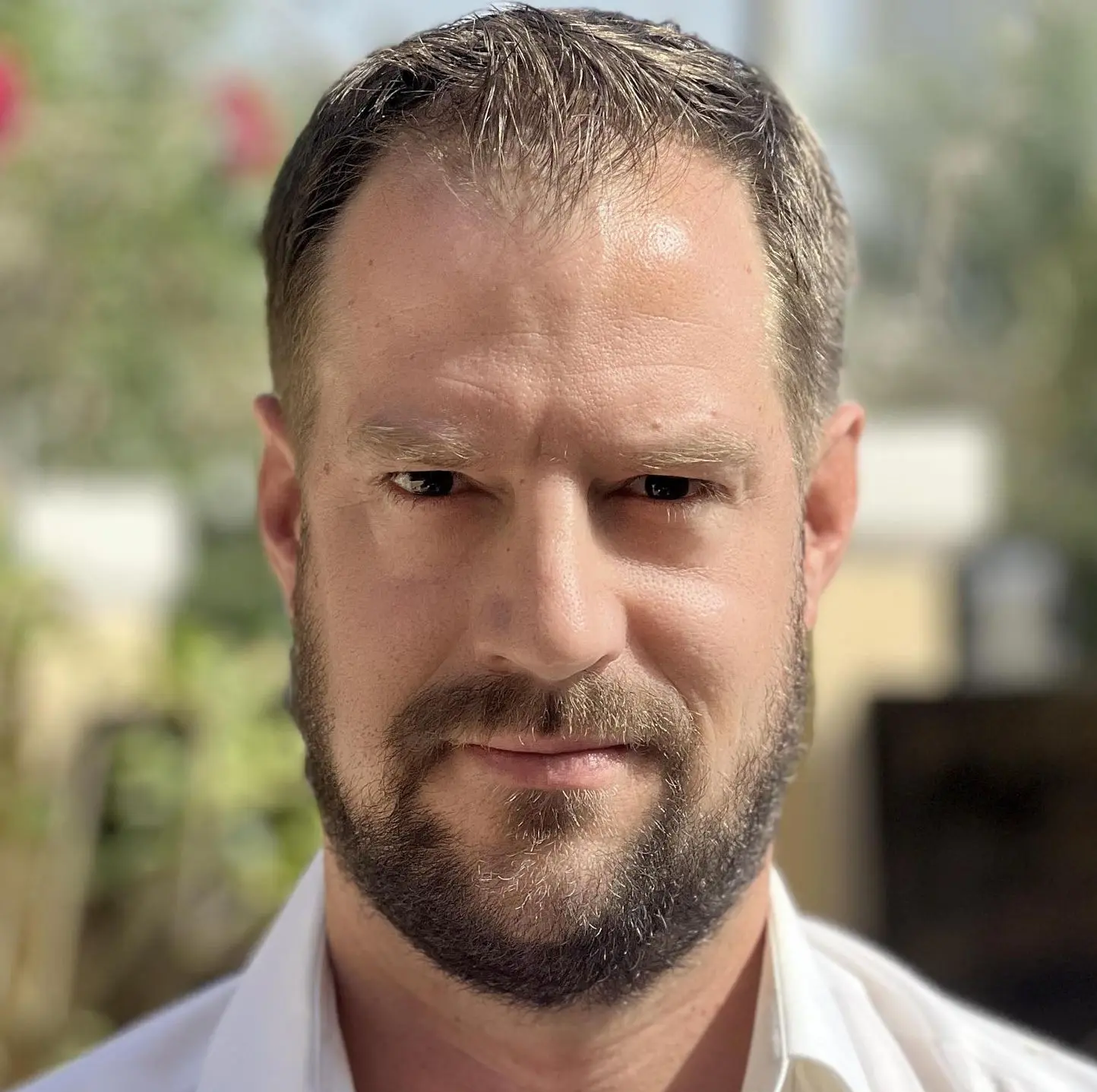
Paul Emous
Program Director | Security Advisor | Technical Extended Range Instructor Trainer
Focused on mission-critical IT, digital transformation, and sovereign system design. He leads complex multi-prime environments across Europe and the Middle East, acting as a neutral authority to de-risk delivery and ensure predictable outcomes.
Separately, Paul is a Technical Extended Range Instructor Trainer and expedition leader in advanced and remote diving. He teaches Just Culture and decision-making under pressure, where risk is real and accountability is absolute.
Contact: paul@mousemedia.nl